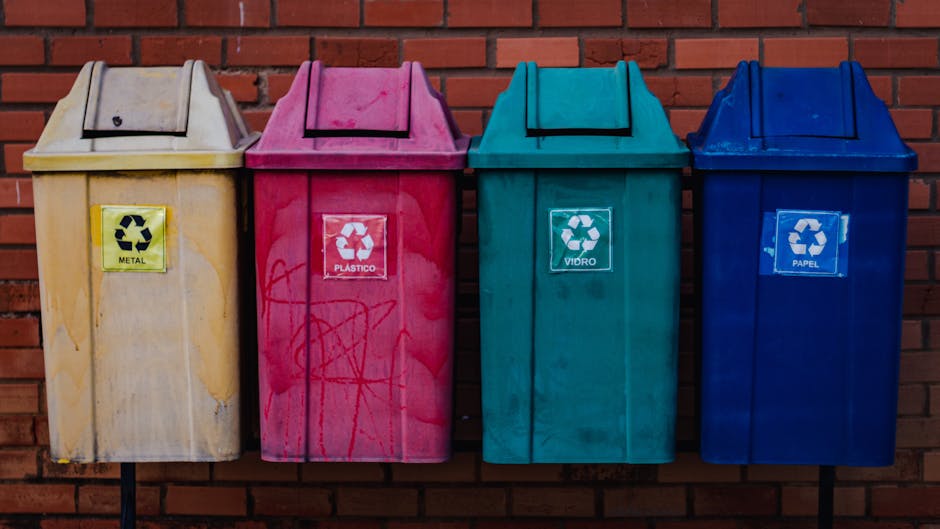
Sustainable gardeners in Downham compost and recycle schemes
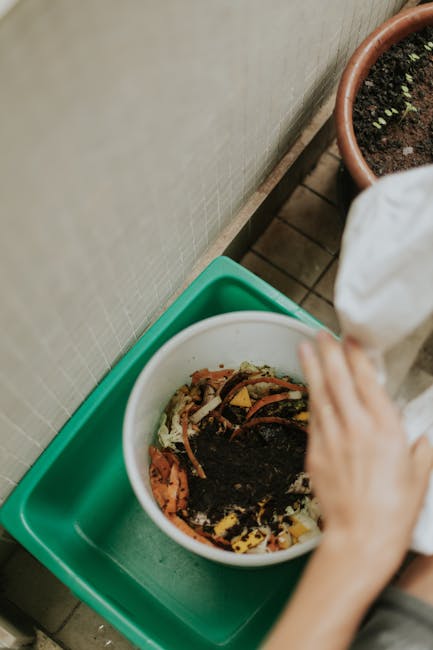
Composting, reusing, separating, and thinking twice before sending garden waste away - that's really the heart of sustainable gardeners in Downham compost and recycle schemes. For many homes, the challenge is not a lack of green waste; it is figuring out what to do with it in a way that feels tidy, practical, and genuinely eco-conscious. A pile of clippings after hedge trimming, a barrow of soil from a border refresh, or the branches left after a winter clear-out can either become a resource or a nuisance. The difference is in the system you use.
This guide breaks down how compost and recycle schemes work in everyday gardening, why they matter in a local Downham context, and how to make them work without creating more mess than you started with. You'll find step-by-step guidance, common mistakes, a useful checklist, and a few grounded comparisons so you can decide what suits your garden, your time, and your priorities. Truth be told, once you get the rhythm of it, the whole thing becomes much easier than it sounds.
- Why it matters
- How it works
- Key benefits
- Who it's for
- Step-by-step guidance
- Expert tips
- Common mistakes
- Tools and resources
- Law, compliance and best practice
- Options and comparison
- Real-world example
- Practical checklist
- Conclusion
- Frequently asked questions
Why Sustainable gardeners in Downham compost and recycle schemes Matters
At a practical level, compost and recycle schemes help gardens stay under control. At a wider level, they reduce the amount of organic material that needs transporting, dumping, or processing elsewhere. That matters because garden waste is not just "rubbish". Grass cuttings, leaves, prunings, and plant matter all carry value if they are handled well. They can feed compost, mulch beds, and support healthier soil structure. If handled badly, they can smell, compact, attract pests, or simply waste good material.
In Downham, where many gardens are compact, varied, and often worked around busy family schedules, there is a real need for systems that are simple enough to stick with. A sustainable garden routine should feel like a rhythm, not a chore list. You cut, sort, compost, recycle, and only remove what genuinely needs going. That approach can reduce waste collection pressure, keep more nutrients in your garden, and make maintenance less frantic over time.
It also supports a cleaner-looking outdoor space. A garden that is managed with reuse in mind tends to feel calmer. You notice it in the soil, the borders, and even the way the bins smell on a wet Tuesday morning. Not glamorous, perhaps, but very real.
Expert summary: Sustainable garden waste handling works best when composting, recycling, and regular maintenance are treated as one system, not three separate jobs. That is the sweet spot.
How Sustainable gardeners in Downham compost and recycle schemes Works
The basic idea is straightforward: separate waste into the right streams, treat what can decompose as compostable material, and redirect reusable materials into suitable recycling or re-use routes. In a garden context, that usually means splitting waste into green waste, woody waste, soil and stone, and non-organic items like pots, ties, or packaging. Not every item belongs in the same pile, and that is where good habits save time later.
Compost schemes usually accept soft green waste such as grass cuttings, dead annuals, leaves, and small prunings. Woody material often needs chipping, shredding, or a separate processing route. Some materials are best reused on-site rather than taken away at all. For example, chipped branches can become mulch, while healthy leaves can be layered into compost or leaf mould. That simple shift can dramatically reduce the volume of waste leaving the garden.
Recycle schemes are slightly different. They focus on moving appropriate materials into a processing stream that can be turned into something useful again. In garden work, that often means separating containers, packaging, metal fixings, and hard landscaping leftovers from the organic waste. The cleaner the separation, the more likely the material can be handled properly.
A small but useful detail: the wetter the waste, the more thought you need to give to collection and storage. Anyone who has lifted a soggy bag of grass clippings after a warm spell knows the smell. Let's just say it's memorable for the wrong reasons. Composting and recycling schemes work best when waste is sorted early, not left to stew in a corner.
Key Benefits and Practical Advantages
The benefits are not abstract. They show up in day-to-day gardening, in spending, and in how much effort you spend clearing up after yourself. Here are the main ones worth caring about.
- Less waste leaving the property: more of the garden's material is reused or processed responsibly.
- Healthier soil: compost and mulch help improve structure, moisture retention, and feeding over time.
- Lower clutter: sorting waste properly keeps the working area easier to manage.
- Better maintenance habits: regular reuse encourages routine rather than reactive tidy-ups.
- Reduced hauling and disposal effort: less material needs to be carried, bagged, and transported.
- Cleaner visual finish: gardens look more considered when waste is dealt with consistently.
There is also a less obvious gain: composting changes how you see the garden. Once you start viewing leaves as feed, stems as mulch, and clippings as future soil, maintenance feels less like disposal and more like stewardship. That mindset matters. It can make a small garden feel surprisingly self-sustaining.
For people managing repeated maintenance tasks, the gains are cumulative. A little composting here, a bit of sorting there, and suddenly the weekly cut-and-clear routine becomes smoother. Nothing dramatic. Just easier. And easier is often what makes sustainable habits last.
Who This Is For and When It Makes Sense
This approach is useful for more people than you might think. It is not only for keen allotment types with a stack of black bins and a wormery in the corner. Sustainable compost and recycle schemes make sense for homeowners, landlords, gardeners working on routine maintenance, and anyone who wants to keep garden waste under control without wasting useful material.
It is especially sensible if you:
- carry out regular lawn mowing and hedge trimming;
- generate consistent green waste from borders and pruning;
- want to reduce the amount of material removed during garden clearance;
- prefer a tidier, more environmentally responsible maintenance routine;
- have a smaller garden where waste builds up quickly;
- are improving a neglected space and need a sensible sorting plan.
It also suits people planning bigger works. For example, if you are reshaping beds, clearing overgrowth, or changing the layout through landscape gardening, a compost-and-recycle approach helps you deal with the material flow from the start instead of panicking at the end.
To be fair, if you only do a tiny bit of garden work once in a blue moon, a simple compost heap and a basic sorting routine may be enough. You do not need a grand system. You need one you will actually use.
Step-by-Step Guidance
If you want this to work without turning the shed into a chaos museum, keep the process simple and repeatable.
- Separate waste as you work. Put soft green waste, woody waste, and non-organic materials into different containers from the outset.
- Remove contaminants. Plastic ties, plant labels, old string, and broken pots should not end up in compost.
- Shred or chop bulky matter. Smaller pieces break down faster and are easier to manage.
- Balance greens and browns. Soft material like grass cuttings needs to be mixed with dry material such as shredded stems, cardboard, or dry leaves.
- Keep compost airy. A compost heap that is too wet or compacted turns sludgy and unpleasant fast.
- Reuse what you can on-site. Leaf mulch, chipped prunings, and home-made compost often do more good in the garden than in a skip.
- Send the rest to the right route. Anything unsuitable for compost should go into the appropriate recycling or clearance stream.
A realistic example: after a spring tidy-up, you might have lawn clippings, a few soft annuals, several bags of leaves, and some thicker hedge cuttings. The clippings and annuals can go into compost. The leaves can be layered or stored for leaf mould. The hedge cuttings may need chipping or collection. Simple, yes. But the separation matters a lot.
If the garden is in rough shape and you are starting from scratch, a proper garden clearance service can help create a cleaner baseline. From there, your compost and recycling system becomes much easier to maintain. That is often the turning point.
Expert Tips for Better Results
Small improvements make a big difference here. A compost system rarely fails because of one massive mistake. Usually it is the tiny things: too much wet grass, not enough air, a few contaminant bits, or piles left untended for months. The good news? Those are fixable.
- Start with structure. Use a simple set of clearly labelled containers or zones so sorting becomes automatic.
- Mix dry with wet. Fresh clippings should be balanced with dry leaves or shredded brown material.
- Turn compost regularly. Even occasional turning helps air move through the heap.
- Cut material smaller. Prunings break down faster when cut into shorter lengths.
- Keep woody material separate. It takes longer to decompose and often does better as mulch or chip.
- Store recycled items dry. Wet cardboard, muddy pots, and mixed waste are harder to process cleanly.
One simple trick: if something looks like it might contaminate compost, assume it probably will. That little pause saves headaches. It's a boring tip, I know, but honestly it works.
And if you are maintaining more than one part of the garden, link your waste routine to the task itself. For example, hedge work produces different waste from mowing, and neither should be treated the same way as tree cuttings. Coordinating waste with the task keeps the whole place running better.
Common Mistakes to Avoid
Most problems come from rushing or mixing incompatible materials. A compost pile can still recover from a poor start, but it is far easier to get it right from the beginning.
- Putting diseased plants into general compost. This can spread problems back into the garden if the pile does not reach suitable decomposition conditions.
- Overloading with grass cuttings. Too much soft material clumps together and blocks airflow.
- Ignoring woody waste. Thick stems and branches need different treatment from soft green waste.
- Mixing in plastics or wire. Even small bits create contamination and make finished compost less usable.
- Letting piles sit unmanaged. Compost is not magic. It needs occasional attention.
- Assuming all garden waste is the same. It isn't, and treating it that way causes most of the trouble.
Another common one is over-optimism. You start a compost pile thinking it will "sort itself out," and then, three months later, it is a damp heap that smells like bad news. We have all seen it. The fix is a little structure, not perfection.
Also, do not forget access. If waste containers are awkward to reach, people stop using them. Good systems are the ones that survive a rainy Sunday, not just a sunny afternoon.
Tools, Resources and Recommendations
You do not need a huge kit to make compost and recycle schemes work. A few reliable basics are enough for most gardens.
- Compost bins or bays: useful for keeping organic waste contained and tidy.
- Wheelbarrow or trug: handy for moving material without repeated trips.
- Secateurs, loppers, and pruning saw: important for cutting bulky waste into manageable pieces.
- Garden shredder: helpful if you regularly produce woody cuttings.
- Labelled containers or sacks: make separation much easier during a busy clearance day.
- Fork or compost aerator: useful for turning and loosening compacted material.
For households that want ongoing support, garden maintenance can be a sensible way to keep waste volumes predictable. That is especially helpful if you are trying to build a stable composting routine rather than doing occasional big clean-ups.
If you are weighing up the wider cost and value of different approaches, pricing and quotes can help you think in terms of service scope, frequency, and the amount of handling involved. And if you want to understand how sustainability is built into a broader service approach, the page on recycling and sustainability is a useful place to start.
Law, Compliance, Standards, or Best Practice
For most domestic gardens, this topic is less about heavy regulation and more about responsible handling and good practice. That said, if garden waste is being moved, stored, or disposed of by a service provider, it should be managed carefully and in line with normal UK waste-handling expectations. You should always be clear about what is being collected, what is being recycled, and what is being disposed of.
Best practice generally includes:
- keeping waste streams separate where practical;
- avoiding contamination of compostable material;
- disposing of green waste through appropriate channels;
- handling sharp or heavy materials safely;
- keeping work areas clear to reduce trip and lifting risks;
- making sure any contractor follows sensible insurance and safety procedures.
If you are using a professional service, it is fair to expect clear information about safety, responsibility, and how waste is handled. You may also want to check broader business policies such as health and safety and insurance and safety. Those pages do not replace legal advice, of course, but they do signal that the company takes safe working seriously.
One more thing: if a task involves significant tree work or larger woody waste, specialist handling may be the better route. That is where tree lopping and removal becomes relevant, especially when branches, trunks, or unsafe growth go beyond normal garden composting.
Options, Methods, or Comparison Table
Different gardens need different waste-handling methods. A compact courtyard with a few pots is not the same as a mature garden with repeated pruning, a lawn, and seasonal leaf drop. This comparison should help you think it through.
| Method | Best for | Advantages | Limitations |
|---|---|---|---|
| Home composting | Soft green waste, leaves, kitchen-safe garden material | Low cost, on-site reuse, improves soil over time | Needs space, balance, and occasional upkeep |
| Mulching and chip reuse | Woody prunings, branches, border protection | Reduces waste, suppresses weeds, conserves moisture | May need shredding or chopping first |
| Separated recycling | Pots, ties, packaging, hard non-organic items | Keeps contaminants out of compost, cleaner disposal | Needs careful sorting and storage |
| Professional garden clearance | Large jobs, overgrowth, mixed waste | Fast, tidy, useful for reset projects | Less on-site reuse unless planned in advance |
In many cases, the best answer is not one method but a mix. A bit of composting at home, some mulching, and a professional clearance for the awkward stuff. That hybrid approach is often the most realistic one, especially for busy households.
Case Study or Real-World Example
Here is a simple real-world style example. Imagine a small Downham garden that has been left alone through winter. By early spring, the owner has a thin lawn, a tangle of hedge growth, dead annuals in the borders, and a heap of leaves trapped under a fence line. Nothing dramatic, but enough to feel overwhelming at first glance.
The work begins by separating the material into three groups: compostable soft waste, woody cuttings, and non-organic bits like ties and broken plant labels. The leaves are bagged for future leaf mould. The softer stems and spent bedding plants go into compost. The hedge clippings are cut down and either chipped or collected. The result is not just a cleaner garden. It is a better material flow for next time.
What changed? Not magic. Just order. Once the waste streams were separated, the garden stopped generating that "where do we even start?" feeling. The owner could then move on to routine lawn mowing and border care without every session turning into a major clear-out.
That is the real value of compost and recycle schemes: they make the next job easier. Small, sensible, and very repeatable. And frankly, that is what most gardens need.
Practical Checklist
Use this checklist before, during, or after a garden tidy-up to keep the process smooth.
- Have you separated green waste from woody waste?
- Have you removed plastic, wire, labels, and other contaminants?
- Are wet clippings mixed with dry material?
- Is the compost area airy and easy to access?
- Have bulky branches been chopped or prepared for the correct route?
- Are reusable materials being kept on-site where appropriate?
- Have you decided what needs collection rather than composting?
- Is the working area safe, tidy, and free from trip hazards?
- Do you know which materials should go to recycling instead of compost?
- Have you planned the next maintenance step so waste does not pile up again?
If you can tick most of those off, you are already ahead of the game. Not perfect. Just well set up. Which is usually enough.
Get a free quote today and see how much you can save.
Conclusion
Sustainable gardeners in Downham compost and recycle schemes are really about creating a garden system that feels manageable, tidy, and responsible. When waste is separated properly, compost is treated as a resource, and recycling is used where it genuinely makes sense, the whole garden becomes easier to live with. Less clutter. Better soil. Fewer rushed clear-ups.
That is not to say every garden will look neat every day, because let's face it, gardens are living places and they have moods of their own. But with a sensible routine, the mess becomes more temporary, and the useful material stays useful for longer. That's the aim. Simple enough, really.
If you want to explore the wider approach behind responsible garden upkeep, take a look at the company's services overview and learn more about the team. When you are ready to talk through your own garden, get in touch and ask for practical advice that fits your space, your schedule, and your goals.
A greener garden rarely starts with a huge overhaul. More often, it starts with one small, decent decision made at the right time.
Frequently Asked Questions
What do sustainable gardeners in Downham compost and recycle schemes usually include?
They usually include separating green waste, composting suitable organic material, recycling non-organic garden items, and reusing what can stay in the garden as mulch or soil improvement. The exact setup depends on the size and condition of the space.
Can grass cuttings go straight into compost?
Yes, but usually in moderation. Too many fresh grass cuttings can clump together, go slimy, and stop air moving through the heap. Mixing them with dry, brown material works much better.
What garden waste should not be composted?
Anything contaminated with plastic, wire, or other non-organic bits should stay out of compost. Diseased plant material can also be a problem, depending on how it has been handled and the condition of the compost system.
Is it better to compost at home or use a collection service?
It depends on your space and how much waste you produce. Home composting is ideal for routine soft waste, while a collection or clearance service can make more sense for bigger jobs, mixed material, or awkward woody waste.
How often should a compost heap be turned?
There is no single perfect schedule, but turning it occasionally helps airflow and speeds up decomposition. Even a simple fork-over now and then is better than leaving it untouched for months.
Do I need special equipment for recycling garden waste?
Not necessarily. Basic bins, sacks, a wheelbarrow, and cutting tools are enough for many gardens. A shredder or chipper is helpful if you deal with regular woody waste, but it is not essential for everyone.
What is the biggest mistake people make with garden compost?
Usually it is overloading the pile with one type of waste, especially wet grass clippings, or allowing contaminants to get mixed in. Compost works best when it is varied, airy, and kept fairly clean.
Can leaves be reused instead of thrown away?
Yes, absolutely. Dry leaves are excellent for compost layers or leaf mould, which is useful for improving soil structure over time. They are one of the easiest materials to reuse well.
When should I consider professional garden clearance?
If the garden has become overgrown, if the waste is too bulky to manage safely, or if you want a clean reset before starting a new maintenance routine, professional clearance can save a lot of time and effort.
Does sustainable garden waste handling save money?
Often, yes, especially over time. Composting and reusing material can reduce disposal needs and improve the condition of the garden, which may lower the amount of corrective work needed later. It is not instant savings, but it adds up.
How do I keep a compost-and-recycle system from becoming messy?
Keep it simple, label storage clearly, separate waste as you go, and make sure the compost area is easy to access. The cleaner the workflow, the more likely you are to stick with it. A system that is awkward rarely survives long.
Where can I learn more about sustainable garden practices on this site?
The recycling and sustainability page is a useful place to begin, especially if you want to understand how this approach fits into wider garden maintenance and service choices.